Savor Life

Extensive experience in interior design

Coordination of spatial planning, conceptual design, on-site supervision, and project management.

Enchanting Space

Inspiration and pleasure

The unparalleled talent to transform space into an extraordinary experience.

Effective improvement space

4 core elements of interior design

Functionality

  • Space planning : Allocate circulation routes and areas reasonably according to user needs (such as dividing active and quiet areas).

  • Storage design : Integrates hidden storage and display space to avoid clutter and improve efficiency.

  • Ergonomics : Furniture size and placement should conform to daily usage habits (such as the work triangle in the kitchen).

Aesthetics and Style

  • Maintain a unified style : Choose a clear style (modern, Nordic, industrial, etc.) and avoid conflicting elements.

  • Color matching : Use the 60-30-10 rule (60% primary color, 30% secondary color, and 10% accent color) to create layers.

  • Material mixing : Combining different textures such as wood, metal, and fabric to increase visual richness.

Lighting Design

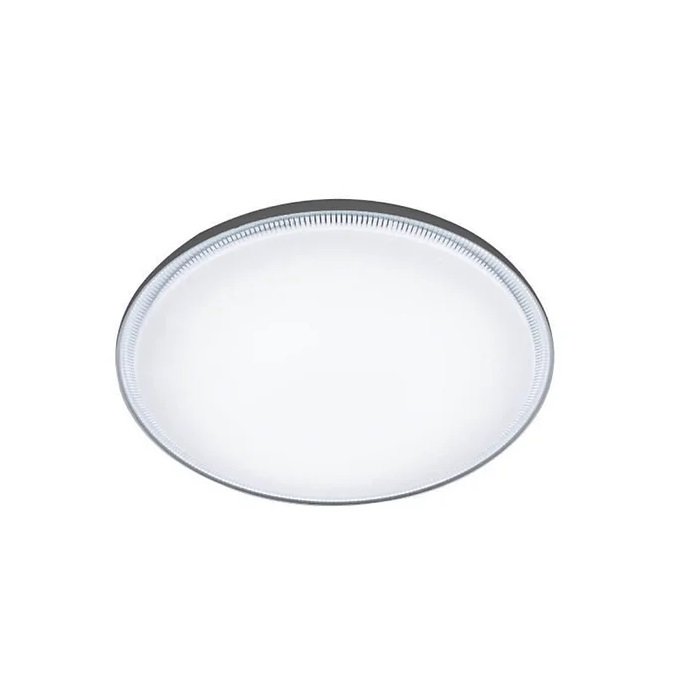
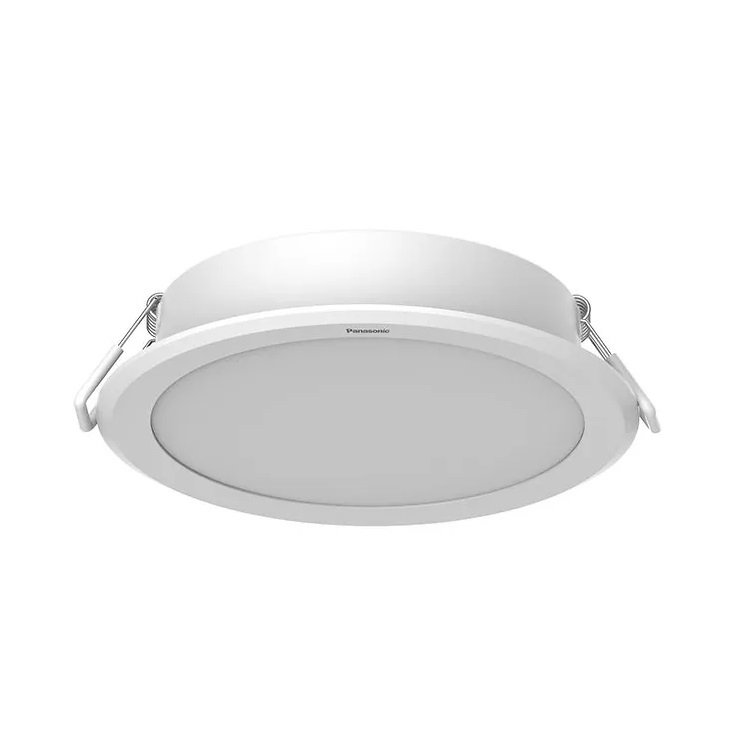
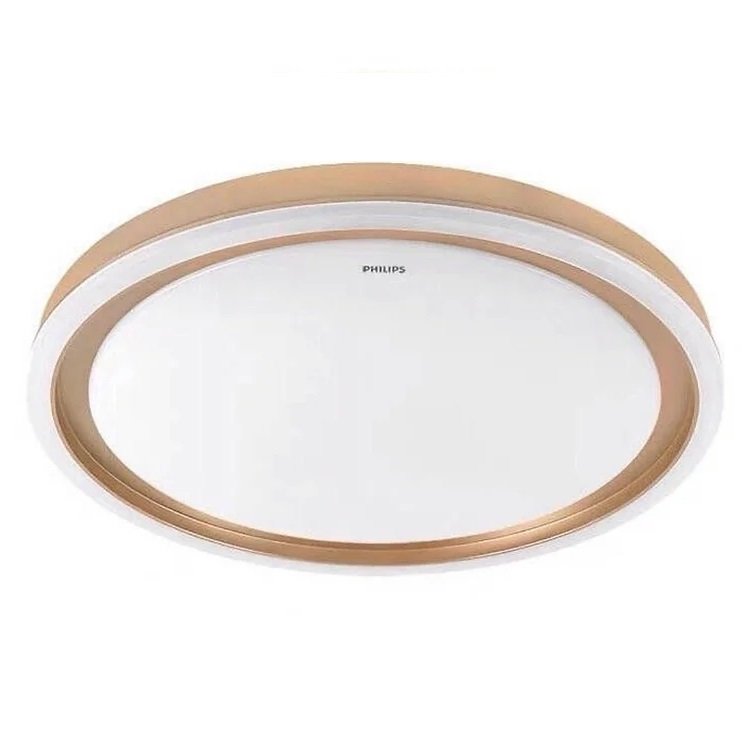
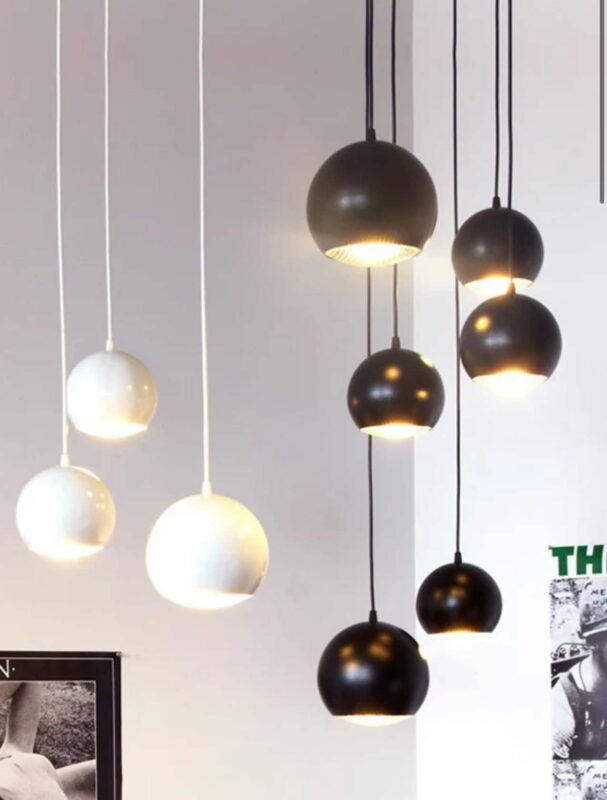
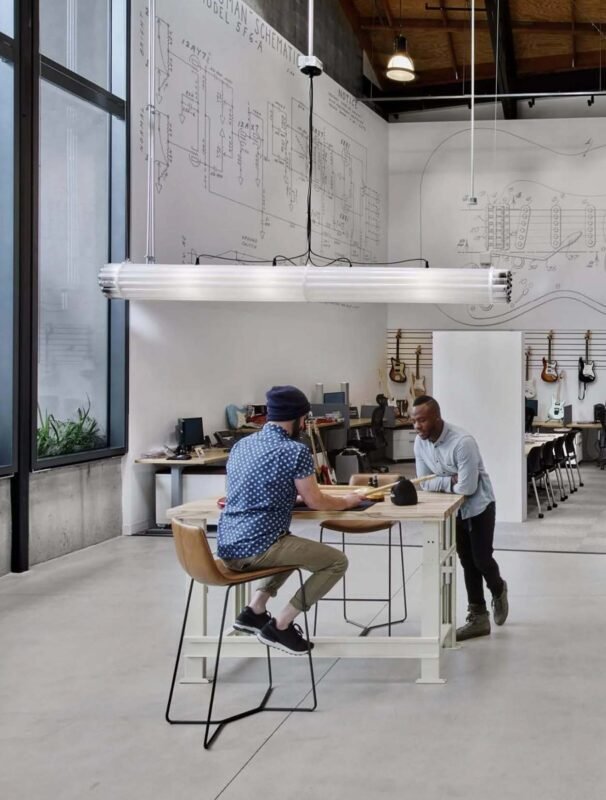
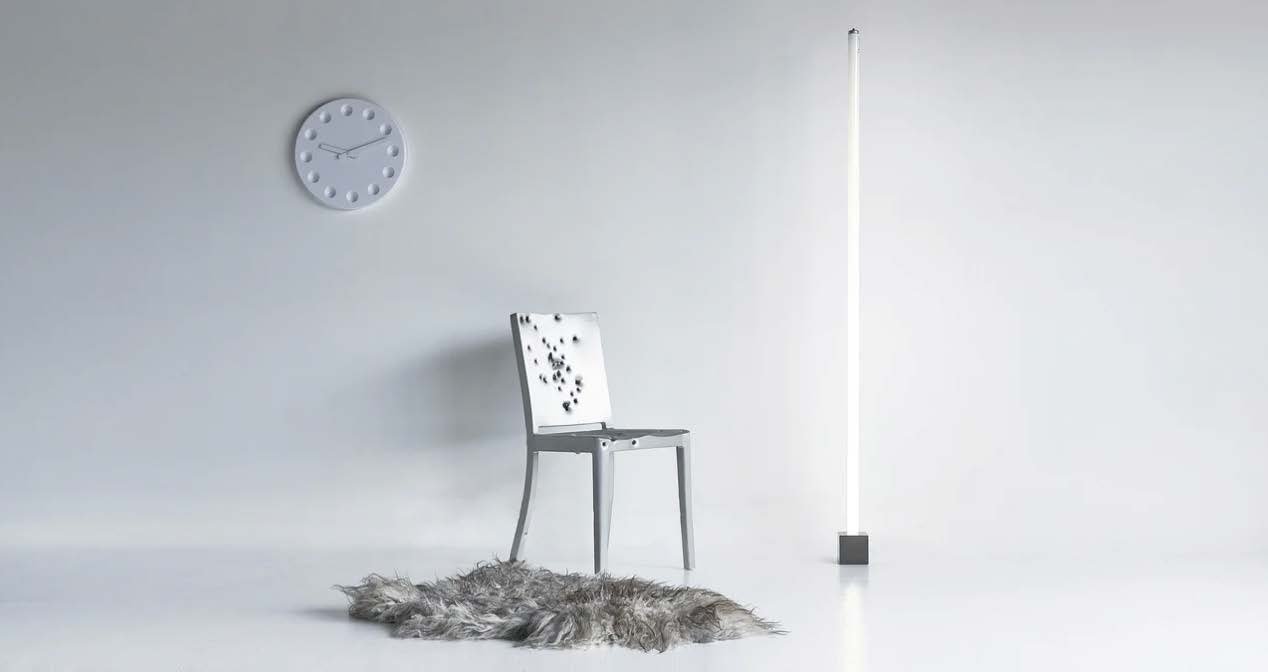
  • Layered lighting : basic lighting (ceiling light) + task lighting (reading light) + ambient lighting (light strip).

  • Natural light utilization : Maximize the introduction of natural light, and use sheer curtains to adjust the brightness.

  • Color temperature selection : Warm light (2700K-3000K) creates a cozy atmosphere, while cool light (above 4000K) is suitable for work areas.

Comfort & Well-being

  • Ventilation and air quality : Ensure air circulation, and install a fresh air system or use green plants for purification if necessary.

  • Environmentally friendly materials : Choose low-formaldehyde paints and recycled building materials to reduce the impact on health and the environment.

  • Psychological impact : Soft furniture and natural elements (such as plants) reduce feelings of oppression and enhance a sense of belonging.